
McNair Scholars 2025-2026 Cohort
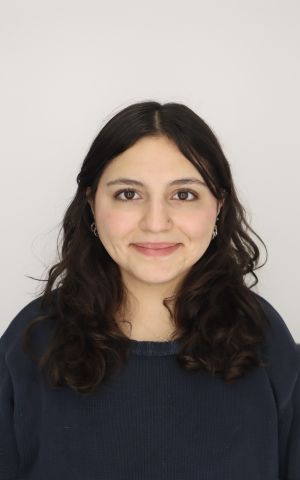
Tuana Elif Aydogan is a sophomore in the College of Agriculture and Life Sciences, pursuing a double major in Environment & Sustainability (E&S) and Information Science. Elif is currently an undergraduate research associate in the Holgerson Lab of Freshwater Ecology, assisting on a project at the intersection of social science and ecology of ponds. After completing her undergraduate degree at Cornell, she plans on pursuing a PhD in Ecology and Conservation. On campus, she is a Peer Mentor for the Environment and Sustainability major and involved in a sustainable art club (EcoArtivism), as well as the Big Red Marching Band. Elif is also a Kessler Scholar, which is a scholarship program for First-Generation Low-Income Students.
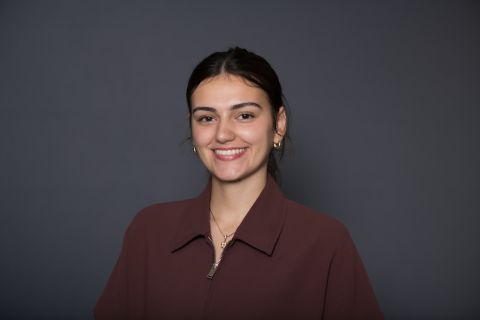
Miranda Azemi is a sophomore in the College of Agriculture and Life Sciences majoring in Biological Sciences with a minor in Health Policy. She is a research assistant in the Evans Lab at the Baker Institute for Animal Health, where she is working on a project to identify the genetic variant responsible for a neurodegenerative disorder in Miniature American Shepherds. Her work includes collecting samples and analyzing sequencing patterns in wild-type and affected specimens. Miranda plans to pursue an MD/PhD, with the goal of translating cutting-edge research into improved patient care. Beyond the lab, she is a yoga instructor with Big Red Yoga, serves as a Volunteer Co-Coordinator for Camp Kesem, and is a member of the Student Advisory Board for the Hunter R. Rawlings III Cornell Presidential Research Scholars Program.
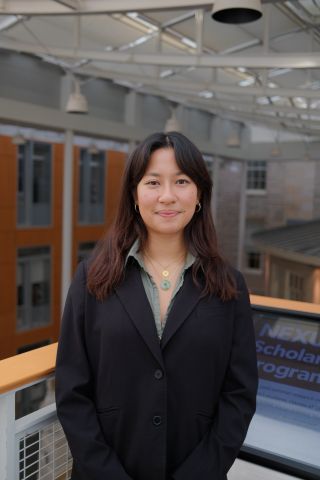
Ashley Bax (she/her) is a sophomore in the College of Agriculture and Life Sciences and a first-generation Asian American student from Delray Beach, Florida. She is majoring in Biological Science with a concentration in Microbiology and Plant Sciences with a concentration in Environmental Phytotechnology, in addition to an Infectious Disease Biology minor. Her research interests lie at the intersection of plant-microbe interactions and synthetic biology to formulate sustainable solutions that remediate pollutants posing environmental and health risks. She is especially interested in investigating agricultural systems that affect marginalized or otherwise disadvantaged populations. Ashley is currently conducting research at Dr. Maria Harrison’s Lab within the Boyce Thompson Institute to investigate the molecular mechanisms by which arbuscular mycorrhizal symbiosis is facilitated in model root cells. Outside of academics, she enjoys cooking, figure skating, being outdoors, and exploring her creativity.
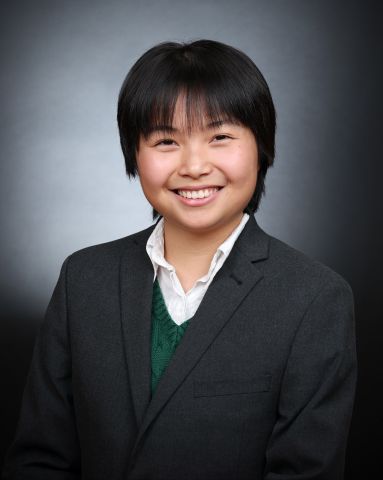
Annie Chen is a sophomore studying Biological Sciences with a concentration in Ecology and Evolutionary Biology in the College of Agriculture and Life Sciences. They are currently conducting research as part of the Seabird Conservation Analytics Team run by Gemma Clucas at the Lab of Ornithology. The goal of the project is to examine the diet of seabirds in various parts of the world through fecal DNA metabarcoding. He has broader research interests in applied wildlife conservation, with an emphasis on ornithology. To explore these interests on campus, she is currently the vice president of The Wildlife Society and a member of the Cornell Raptor Program. Alongside McNair, he is a part of the Biology Scholars Program (BSP) and Pre Professional Programs (P3).
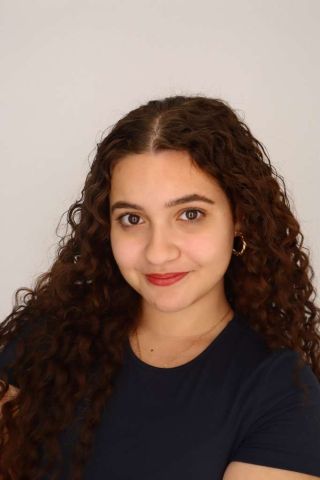
Besines Santana Chevalier is a sophomore from Manhattan, New York, studying Chemical and Biomolecular Engineering in the College of Engineering, with a strong focus on biomedical engineering applications. She is deeply interested in targeted therapeutic delivery systems, particularly how engineered materials, nanoparticles, and biological carriers can be designed to deliver treatments more precisely, safely, and effectively at the cellular and molecular levels. Her interests extend into genetics, nanotechnology, and immunoengineering, where she is curious about how gene regulation, cellular signaling, and material–biology interfaces can be leveraged to improve drug delivery and reduce off-target effects. She is currently conducting research in the Gunther Hollopeter Lab, where she investigates lipid-dependent multimerization and phase separation of the Inversin complex, a conserved group of proteins involved in cellular signaling and structural organization. Her work focuses on understanding how lipid membrane composition influences the assembly and organization of the Inversin complex and its subunits, using reconstituted supported lipid bilayers and purified proteins. After graduation, Besines plans to pursue a Ph.D. in Chemical and Biomolecular Engineering, with the long-term goal of conducting translational research at the intersection of engineering and biology. Outside of academics, she is actively involved with the Society of Women Engineers High School Team, where she coordinates with local and national high schools to introduce students to engineering and promote early exposure to STEM pathways.
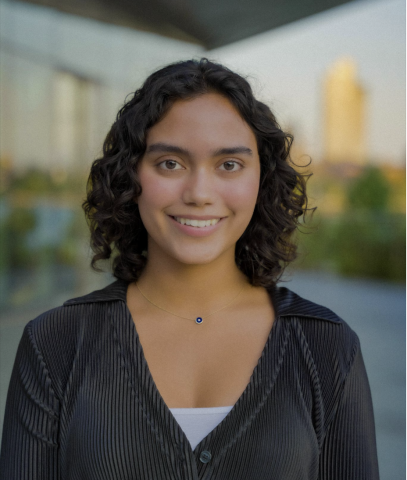
Giselle Gutierrez is a junior in the College of Arts and Sciences, majoring in Physics with an Astronomy concentration and minors in Earth and Atmospheric Sciences and Astrobiology. Her interests center on planetary habitability in both the Solar System and exoplanetary systems, as well as the scientific and philosophical questions raised by the search for life beyond Earth, including how such a discovery might reshape humanity’s understanding of itself. Giselle’s research spans technosignature searches, exoplanet atmospheres, and orbital dynamics. She works with Dr. Jake Turner on radio SETI false-positive mitigation and exoplanet transit timing analyses, and with Prof. Nikole Lewis and Dr. Lili Alderson on JWST/NIRSpec transmission spectroscopy of hot Jupiters. Her work integrates observational data analysis, statistical modeling, and computational tools, with a collaborative publication in preparation. She plans to pursue a PhD in planetary science or astrobiology, with the goal of contributing to mission-driven research on habitability. Outside of research, she enjoys mentoring younger students and helping make pathways into STEM feel more visible and attainable.
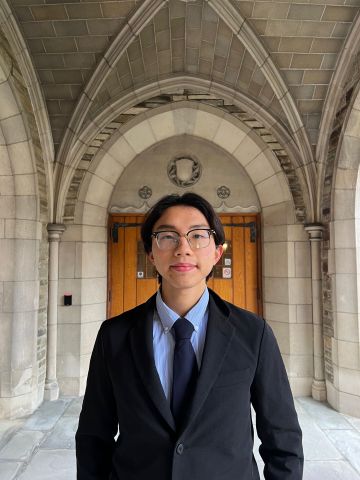
Sunny Huang is a sophomore at Cornell University’s College of Agriculture and Life Sciences studying Agricultural Sciences and infectious diseases. His interests lie in the relationship between One Health, immunology, and how food systems integrate into human health and medicine. Sunny was previously an Emerging Markets Research Fellow in Cornell Dyson’s SMART program, conducting field research in expanding apiculture education to and markets to beekeepers in Rwanda. He has also been involved with immunology research projects including a vaccine efficacy trial for dairy cattle with clinical mastitis at Cornell Vet School and examining gut immune cell populations in vivo at Memorial Sloan Kettering Cancer Center. After Cornell, Sunny plans to pursue an M.D/Ph.D, continuing to explore the interconnection between intestinal immune responses of gut microbiota and providing patient care in the fields of oncology and gastroenterology.
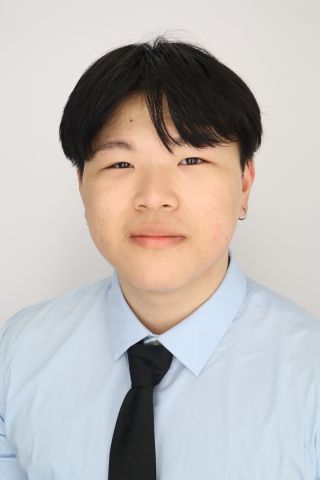
Jeffrey Jiang is a junior in the College of Arts and Sciences at Cornell University studying Biological Sciences with a minor in Nutrition and Health. He serves as a research assistant in the Mao Lab, where he investigates novel effector proteins secreted by the intracellular pathogen Legionella pneumophila using functional and biochemical assays. His research project focuses on elucidating the biochemical activity of his effector of interest and understanding the physiological consequences of its expression. After graduation, Jeffrey plans to pursue a MD-PhD dual degree, seeking to combine his interests in scientific discovery with clinical application. Outside of McNair, Jeffrey is a member of Alpha Phi Omega, Project Hope, and P3.
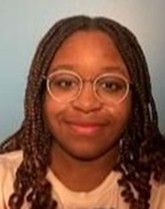
Kiara Jones (she/her) is a junior Chemistry major in the College of Arts and Sciences and Fine Art minor in the College of Art, Architecture, and Planning. She is an undergraduate research assistant in the Fors Group, and her project focuses on using cationic and ring-opening metathesis polymerizations to create cross-linked polymer multimaterials for 3D printing. In the future, she plans to pursue a PhD in organic polymer chemistry to search for new polymerization reactions for sustainable materials and upcycling techniques. Outside of research, Kiara serves as a Resident Advisor and a Teacher’s Assistant for various organic chemistry courses. She is also a member of the Big Red Marching and Pep Bands and Open Orchestra, where she plays the saxophone, bass drums, trumpet, and trombone.
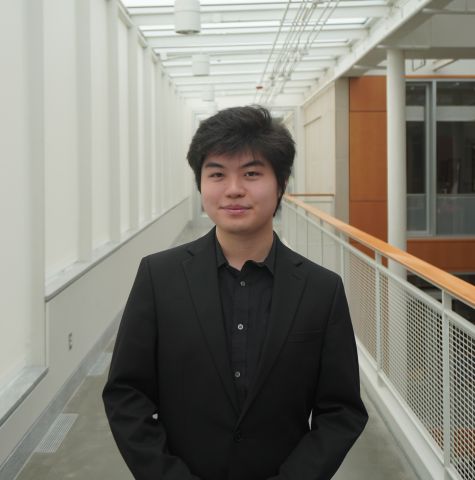
Harry Lian (he/him) is a junior in the College of Agriculture and Life Sciences, majoring in Biological Sciences with a concentration in Microbiology and pursuing a minor in Infectious Diseases. He is passionate about understanding infectious disease mechanisms, particularly antimicrobial resistance, and how host–microbe interactions can be leveraged to improve treatments and equitable healthcare outcomes. Outside the lab, Harry supports peers as a Learning Assistant and Study Group Leader for BIOG 1440 and is active in campus leadership as a Meinig Scholar and student organization leader, including roles within the Chinese Students Association, Biology Scholars Program, and the American Society of Microbiology at Cornell, where he helps build community through programming, mentorship, and advocacy initiatives.
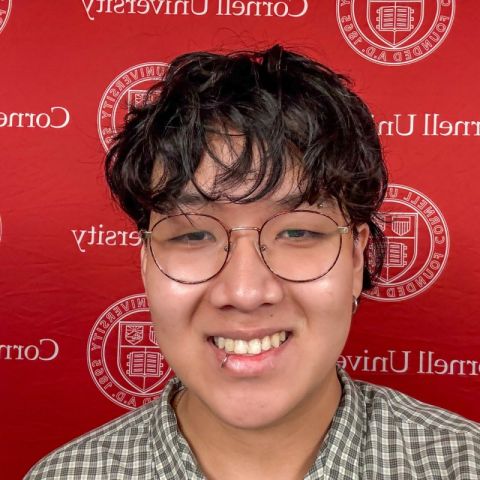
Richey Nguyen is currently a first-generation, low-income sophomore studying Plant Sciences in the College of Agriculture and Life Sciences, with a minor in American Indian and Indigenous Studies. He is currently a research assistant in the Specht lab, where he is working on characterizing the sex determination region in Hechtia, and is set to travel to Texas to collect field specimens to address a collection gap. Additionally, Richey is in the Anstett lab, where he is assisting research on rapid evolution through resurrection studies of Mimulus. Outside of research, Richey is the Sustainability Chair for the Guild of Visual Arts, a member of P3, and the Treasurer for Let’s Get Ahead. After graduation, he plans on pursuing a PhD in Plant Biology, with a focus on ecology and evolutionary biology. He hopes to become a tenured faculty member after a variety of postdoctoral positions, with a lab of his own in Plant Biology, teaching courses, and nurturing future students to love plant ecology and evolutionary biology.
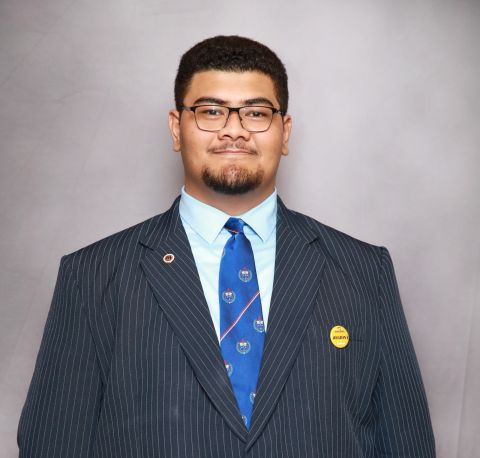
Letiunasema Nuusila is a junior in the College of Agriculture and Life Sciences, majoring in
Agricultural Sciences with minors in Soil Science and American Indian & Indigenous Studies. He is interested in researching plant–soil microorganism interactions and how these systems adapt and develop resilience to climate change. His long-term goal is to return to his home in the Pacific to share his knowledge in ways that support both ecosystems and communities. He is currently a Research Assistant in the Kao-Kniffin Lab of Belowground Ecology of Invasive Plants & Weeds, where he works on the New York Rice Project—a collaborative effort among CALS, Cooperative Extension, USDA, and rice farmers exploring temperate rice production and its potential as a high-value crop and wetland ecosystem service in flood-prone regions. Beyond academics, he is involved with MANRRS Cornell, NAISAC, Hawai‘i Club, is a tenor in the Chorale, and enjoys going on side quests with friends.
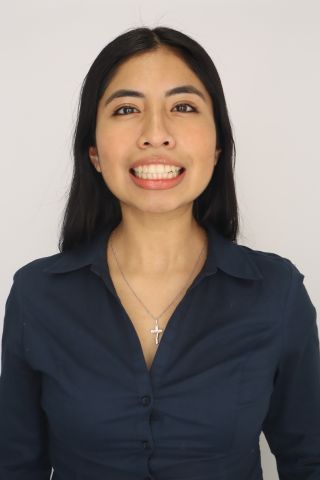
Danna Taboada (she/her) is a sophomore majoring in Psychology at the College of Arts and Sciences and minoring in Latino Studies and English. She is currently a research assistant in the Better Outcomes Lab, where she studies long-term well-being after serious mental health conditions such as depression. After graduation, she plans to pursue a PhD in clinical psychology to become a clinical psychologist and researcher. Ultimately, she plans to explore how mental health conditions such as depression and anxiety uniquely manifest in and impact the young Latinx communities. She aims to use this new information to develop more culturally tailored and effective treatments for these individuals. Outside of academics, Danna is active in multiple campus organizations, including Contigo Perú, Salsa Pa’Lante, and Psi Chi.
Rowan Tian is a sophomore in the College of Agriculture and Life Sciences with a major in Biological Sciences with a concentration in Neurobiology and Behavior, and a minor in Biomedical Engineering. Rowan is currently in the Sarvestani Lab, where she is involved in a project on sensory substitution. Her current research focuses on using OptiTrack motion capture to precisely track the head movements of tree shrews. This work aims to investigate how different sensory inputs can activate similar neuronal statistics. After graduating from Cornell, she hopes to pursue a PhD to further study brain mechanisms, with a focus on long-term potentiation, memory formation, and sensory processing.
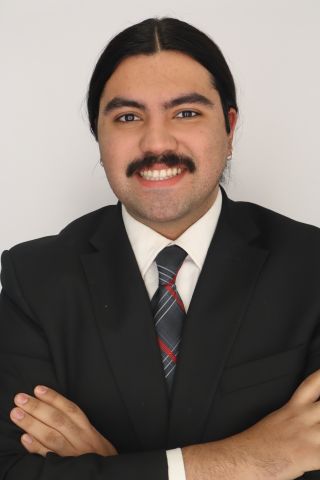
Zelazzie Z. Zepeda (Yo’eme, Xicano) is a senior undergraduate at Cornell University’s College of Arts and Sciences, majoring in Linguistics with a minor in American Indian and Indigenous Studies. Originally from Los Angeles, California, his academic interests include language revitalization, historical linguistics, and Indigenous language pedagogies, which he has pursued through the Humanities Scholars Program and community-based research. During his time in undergrad, he has worked as a research assistant documenting the Gayogo̱hó꞉nǫʼ language, Lead Developer for the Wiki for Indigenous Languages, Social Media Manager for OJI:SDA’ Sustainable Indigenous Future, Special Project Assistant for Any Person, Many Stories, and a collaborator on Hiaki Grammar in Arizona Reservation. Beyond research interests, Zelazzie has collaborated in Native and Chicano student communities, serving as a G-Body member of Native American and Indigenous Students at Cornell (NAISAC), Cultural Chair for Movimiento Estudiantil Chicano de Aztlán (MECHA), and Philanthropy Chair for Sigma Alpha Mu’s Beta Chapter.