
Meet Cornell's McNair Advisory Board
Mission Statement:
The McNair Advisory Board exists to cultivate an inclusive, and empowered community of mentors who support the Ronald E. McNair Post-Baccalaureate Achievement Program. Through thoughtful representation, collaboration, and engagement, the board aims to enhance faculty mentorship, promote program visibility, and develop a network of supportive mentors dedicated to the academic excellence of McNair Scholars on their journey towards doctoral studies.
Vision Statement:
We envision a McNair Advisory Board that champions inclusivity, collaboration, and empowerment—the core values of the McNair Program's founding mission. This board will unite faculty, graduate assistants, and scholars dedicated to the program’s success. Through strong mentorship, it will support first-generation and low-income students with exceptional academic potential, empowering them to become trailblazers who enrich the academy.
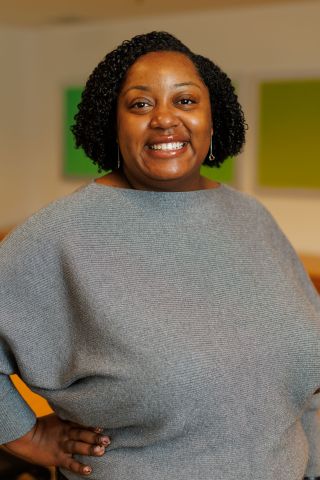
Dr. Misha N. Ailsworth is an Assistant Professor in the Department of Psychology at Cornell Human Ecology. A proud second-generation Cornellian, she followed her mom (HD '88) and is an alumnus of Cornell's Department of Human Development. As an undergraduate, Dr. Ailsworth considered OADI a second home: she was a McNair Scholar, P3 Scholar, Chi Alpha Epsilon initiate, and the first Posse Program Student Assistant, receiving the 2015 Jerome Holland Award for OADI Outstanding Scholar Leader.
Dr. Ailsworth earned her doctorate in Community Research and Action from Vanderbilt University. Her research examines how families, communities, and schools shape Black girls' mental health and wellness. When she is not working, Dr. Ailsworth enjoys reading fiction and learning to crochet.
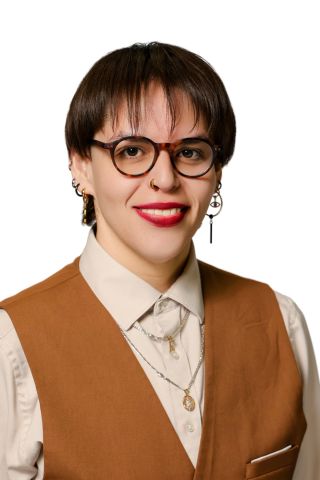
Dr. Monica Cornejo (PhD, 2022, UC Santa Barbara) is an Assistant Professor in the Department of Communication at Cornell University. Dr. Cornejo deploys multiple methodologies (e.g., semi-structured interviews, cross-sectional & longitudinal surveys) to pursue and cultivate three (3) research goals: (1) Examine dynamic interpersonal communication processes (e.g., family socialization messages) among legally persecuted migrants, such as migrants impacted by the U.S immigration incarceration systems (e.g., detention centers), their family members, and their social citizen counterparts (e.g., lawyers, & immigration officials, such as ICE); (2) Explore how structural barriers and disapproving, anti-migrant messages relate to migrants’ health and well-being; and (3) Pinpoint how legally persecuted migrants utilize communication advocacy strategies to challenge the inequities and barriers they encounter within various social systems and environments, such as immigration detention centers. Through this work, Dr. Cornejo aims to identify and endorse collective, promotive pathways that facilitate the reconstruction of marginalized communities’ agency and the creation of equitable social relations that empower all, as well as ending the legacy of white hegemony that continues to negatively affect persons, primarily people of racialized identities in the U.S, including white migrants. Dr. Cornejo’s research has been published in leading communication journals, including the Journal of Communication, Health Communication, and the Journal of Applied Communication Research.
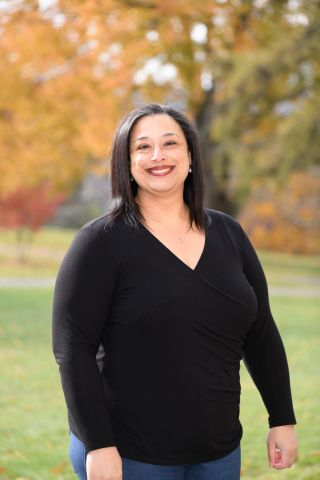
Dr. Kristin Dade was born and raised in Southern California. She is a proud first-generation community college transfer student. She attended Skagit Valley College where she obtained her associates degree. She then transferred to Central Washington University where she earned her BA in Sociology. Kristin migrated to the Midwest for graduate school and earned her Master of Education and PhD in Educational Administration from Southern Illinois University Carbondale. Her research interests are in Community College Transfer Students, Higher Education, Black Feminism, Women, Gender, and Sexuality Studies. She began her Cornell and OADI journey in 2015 when she served as an Advisor for EOP/HEOP and CSTEP. She has grown professionally in OADI and now has the distinct honor and pleasure of serving as one of the directors for the office as well as the co-PI and Director for the Ronald E. McNair Postbaccalaureate Achievement Program and the Collegiate Science and Technology Entry Program. Kristin takes great pride in the work that she does and the students that she serves.
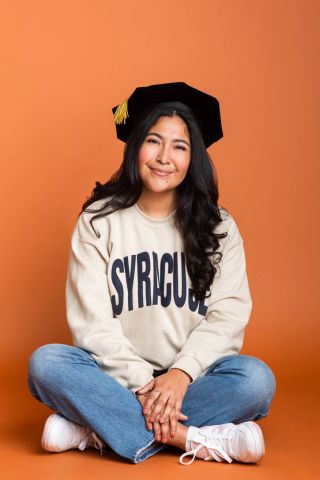
Dr. Cassaundra Guzman joined Cornell’s community in 2023 while completing her doctorate at Syracuse University in Cultural Foundations of Education. Having focused her work on underrepresented students, she now works in the Office of Academic Discovery and Impact (OADI) supporting programs aimed at raising the attainment of doctoral degrees by first-generation and/or low-income students. In her concerted efforts to diversify academia, she also conducts qualitative and mixed methods research that touches on topics such as Critical Race Theory (CRT), Latine Critical Race Theory (LatCrit), and disability studies. In her capacity as an advisor and instructor, she advocates for the continued implementation of a holistic model in order to best support students from diverse backgrounds. Her universally designed courses on education and critical thinking are grounded in her student-centered research methods. When she’s not on campus, Dr. Guzman can be found baking up a storm, reading, or going for a run.
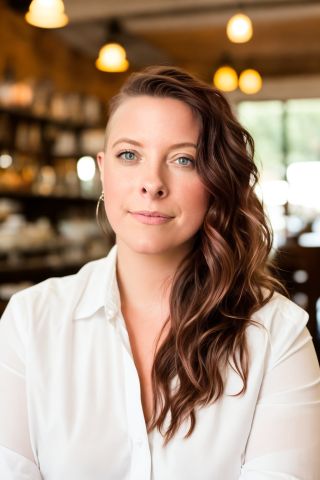
Dr. Danny Parker is a McNair alumnus and an Assistant Professor in the Department of Communication. An ethnographer, her research examines the role communication ecologies play in the reproduction of poverty and the development of political identity. She interrogates how structural conditions, from carceral state economics to news coverage of poverty-related issues, threaten equal access to democratic institutions and belief in democracy for vulnerable communities. Her research also explores how personal stories of struggle become collective narratives that influence individual and collective identity and decision making. Danny is deeply committed to partnering with the communities she studies and aims to integrate their wisdom and knowledge into scholarship that informs the administration of governmental and social institutions. Long ago, the McNair program helped Danny actualize her intellectual potential and gave her a place to belong during a very precarious time in her life. She is a lover of stories, nature, people, and Motown.
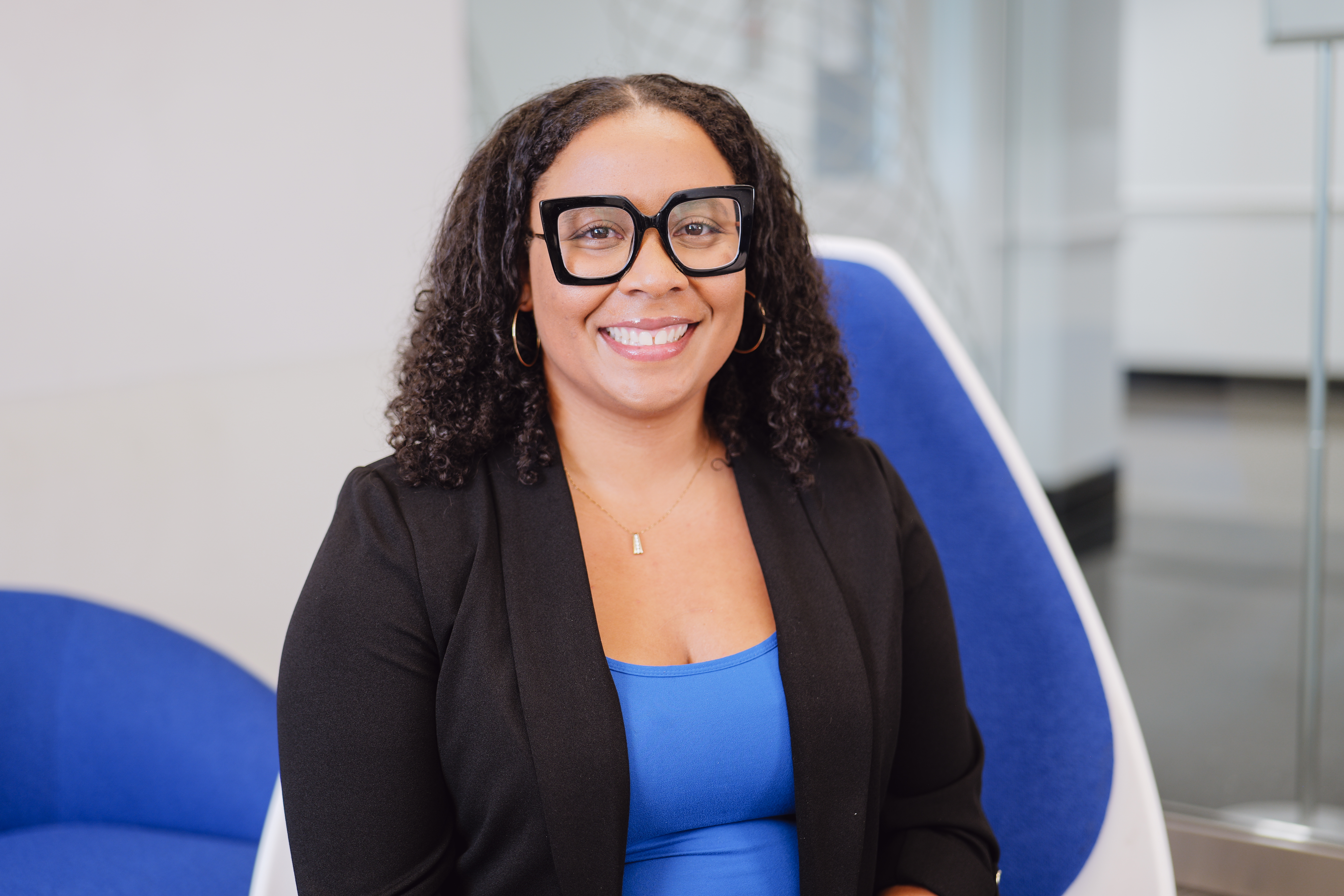
Andrea Robinson is a PhD candidate in the Nutritional Sciences with concentrations in Biochemistry, Molecular and Cell Biology and Epidemiology at Cornell University. Her research investigations how improved maternal and child nutrition can improve child health outcomes, especially for children living in low resource settings. Prior to Cornell, she was a National Cancer Institute Post-baccalaureate at the National Institutes of Health (NIH), where she studied multi-drug resistance in cancer cells. Andrea is a first-generation college student who graduated cum laude with a Bachelor of Science in Kinesiology from the University of North Texas. As a graduate student, Andrea has received the Cornell Alfred P. Sloan Fellowship, the National Science Foundation Graduate Research Fellowship, Robert Mozia Graduate Distinguished Service Award and the Graduate School’s Early Career Exemplary Service Award. As a proud McNair alumnus, Andrea serves a graduate coordinator for the Cornell McNair Program. Additionally, she has held other leadership positions, including treasurer of the Black Graduate and Professional Student Association, and co-PI on a grant for improving the mental health of minority graduate students. Andrea is passionate about training and mentoring young scientists of color, eliminating health disparities and other injustices.
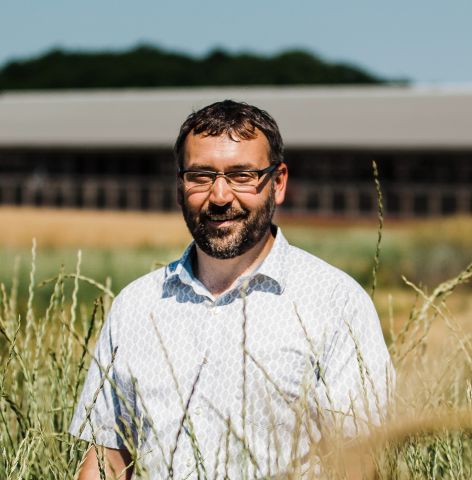
Matthew R. Ryan is a Professor in the School of Integrative Plant Science (SIPS) at Cornell University where he studies agroecology and leads the Cornell Sustainable Cropping Systems Lab. He teaches courses that explore the social, environmental, and economic dimensions for food production, and he works with farmers to co-develop practical solutions to overcome production challenges. Dr. Ryan serves as the Director of Graduate Studies in the Field of Soil and Crop Sciences and has mentored several McNair Scholars during his time at Cornell University. He is dedicated to supporting students from all walks of life, within and outside of SIPS, and serves on the College of Agriculture and Life Sciences (CALS) Committee on Diversity and Inclusion, where he assists with initiatives aimed at advancing justice, equity, diversity, and inclusion.
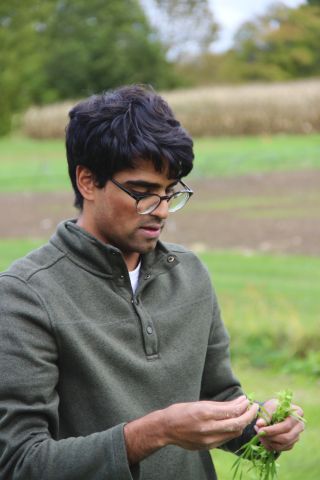
Nazir (Adam) Sharifi (he/him) is a graduate student in the Soil and Crop Sciences MS/PhD program at Cornell University. His research focuses on optimizing corn performance under reduced soil disturbance and minimal external inputs, integrating principles of agronomy, agroecology, and weed management. Adam completed his undergraduate studies at Cornell University and is a former McNair Scholar. As a low-income, first-generation college student, the McNair Program played a central role in supporting his pathway into research and academia. As a graduate student, Adam is committed to paying that support forward by mentoring and advocating for students from similar backgrounds. Beyond his role as a Graduate Student Coordinator for the McNair Program, Adam serves as the Access and Community Empowerment Representative Chair for the Soil and Crop Sciences Graduate Student Association and as a member of the College of Agriculture and Life Sciences Diversity and Inclusion Committee. He aspires to become a future professor who advances the field of sustainable agriculture while educating and empowering the next generation of scientists. To connect with Adam, email nas258@cornell.edu.
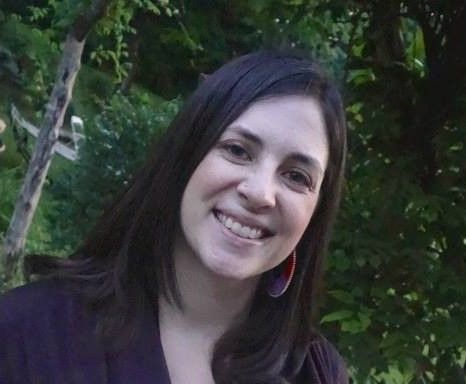
Gabrielle Smith, Ithaca native, began her college journey on the West Coast at Lewis and Clark College in Portland, OR, where a semester abroad in the Dominican Republic sparked a deeper desire to immerse herself in the language and culture. She left college temporarily to live and work in the DR, later returning home to complete her B.A. in Spanish and Latin American Studies at Cornell. After graduating, she moved to Washington Heights in New York City, earned an M.S.Ed. in Dual Language and Bilingual Education from Bank Street College, and spent 12 years teaching multiple grades and subjects in NYC public schools. She also taught graduate‑level courses on language acquisition.
Now back in Ithaca, Gabbie loves her role in OADI and is passionate about helping students uncover their strengths and pursue their goals. Outside of work, she can be found gardening, kickboxing, tackling DIY projects, chasing after her two boys, and enjoying time with loved ones.